
Commercial Roof Insurance Claim Assistance
Why Orlando Roof Claims Get Underpaid Before the Contractor Ever Sees Them
Most underpaid commercial roof claims in Orlando aren't underpaid because the damage wasn't real — they're underpaid because nobody put the damage in front of the adjuster in a form the adjuster could act on. A phone photo of a stained ceiling tile doesn't establish cause. A verbal description of "the roof leaking since the storm" doesn't separate a wind event from a decade of ponding water at a low spot. Adjusters work from what's in the file, and if the file is thin, the settlement reflects that. Our job on the roof is to make sure it isn't thin: photo-keyed damage locations, measurements, moisture readings where intrusion is suspected, and a scope that ties each repair line item back to a documented condition.
We work across Orlando's mixed building stock — I-Drive hotel and attraction properties running older built-up and modified-bitumen roofs under heavy HVAC and rooftop-equipment loads, downtown and Lake Nona office and mixed-use buildings on newer single-ply systems still inside their original warranty window, and the distribution and logistics buildings that have filled in along the I-4 corridor with large, flat, low-slope roof fields. Each of those roof types fails differently, ages differently, and needs a different documentation approach when a claim is on the table.
What We Document Before the Adjuster Walks the Roof
A roof walk starts with a full-surface inspection, not a spot check at the reported leak. We photograph every damage condition with the location keyed to a roof zone diagram — field, perimeter, corner — so the adjuster can see the spatial pattern rather than take our word for it. Where water intrusion is suspected but not visibly obvious, we use a moisture meter to map wet insulation under the membrane, because a membrane that looks intact from above can still be saturated underneath. Measurements go with the photos: linear footage of separated flashing, square footage of affected membrane, count of damaged penetrations. Numbers hold up in a file review in a way that adjectives don't.
From there we write a damage assessment that separates storm-caused conditions from pre-existing wear. This is the step that determines whether a claim gets paid in full or gets picked apart. An adjuster who sees ponding-water staining lumped in with wind-lifted flashing in the same paragraph has an easy reason to discount the whole section. We keep those conditions distinct, with the physical evidence that supports each one, so the claim stands on the parts of the damage that are actually attributable to the event.
Meeting the Adjuster on the Roof
When the carrier schedules a field inspection, we're there. Walking the roof alongside the adjuster, pointing to the documented conditions on the zone diagram, and answering technical questions on the spot resolves more disputes than a written report ever does on its own. We've found that adjusters who get a clear, organized walk-through are far less likely to come back with a scope-reduction letter — not because we're negotiating on the owner's behalf, but because there's simply less ambiguity left to argue about.
Framing the Complete Repair Scope
The scope we write doesn't stop at patching the visible damage. Florida Building Code requires code-upgrade items on covered repair work — enhanced attachment at re-covered sections, updated edge metal to current wind-uplift standards, sometimes expanded scope on adjacent undamaged material so the finished roof matches in material and color. We itemize those requirements separately from the storm-damage repair so the adjuster can see exactly which line items are code-driven versus event-driven, rather than folding everything into one number that's easy to trim.
When a Claim Comes Back Denied or Underpaid
A denial or a lowball settlement usually means the file didn't answer a question the adjuster needed answered — often causation, sometimes scope. We go back to the roof, add the missing documentation (additional photos, a clearer moisture map, a corrected measurement), and prepare a supplemental submission focused on what was actually missing rather than restating the original claim louder. Most supplemental claims in the Orlando market move when the gap in the file gets closed with specific evidence.
A note on our role: we're your roofing contractor, not a public adjuster. We inspect the roof, document the damage, and produce a scope your adjuster can verify against — we don't file claims, negotiate settlements, or represent you in a dispute.
Service
Frequently asked questions
Does insurance cover commercial roof replacement in Orlando?
It depends on the policy and the cause of loss. Most commercial property policies cover roof replacement when the damage is sudden and accidental — wind, hail, or a named storm — and the covered damage affects enough of the roof that repair isn't a reasonable path. Age-related deterioration, ponding water damage, and maintenance neglect are typically excluded. We document which category your roof's damage falls into so you and your adjuster are working from an accurate picture before that question gets answered.
What's the general process for a commercial roof insurance claim?
Report the loss to your carrier, then get the roof documented before repairs start (except emergency mitigation like tarping). We inspect and produce a photo-keyed damage report and repair scope, the carrier assigns an adjuster who typically wants a field inspection, we walk the roof with them, and the carrier issues a settlement based on the agreed scope. If the settlement doesn't match the documented damage, a supplemental claim follows.
What if my roof claim was denied?
A denial isn't always final. We review the denial reason against our documentation — sometimes the denial is based on an inspection that missed conditions we can show clearly, sometimes it's a causation dispute that needs stronger physical evidence. We can produce additional documentation to support a reconsideration or an appraisal request, though we're not the ones filing the appeal or negotiating the denial — that's between you, your carrier, and your public adjuster or attorney if you're using one.
How do you decide between repair and full replacement?
The physical condition of the roof decides it, not preference. If the damage is contained to a defined area with remaining membrane life elsewhere, a documented repair scope is usually the right call. If damage is distributed across the field, the membrane is near end-of-life, or code-mandated upgrades on a repair would approach replacement cost anyway, we document that and let the numbers make the case to the adjuster.
Do I need a public adjuster too?
Many Orlando building owners use one, and we work well alongside them. A public adjuster represents your interests in the negotiation; we produce the independent technical roof documentation — condition photos, measurements, and scope — that gives them something solid to negotiate with. We don't replace that role and we don't negotiate the claim ourselves.
Keep comparing the scope.
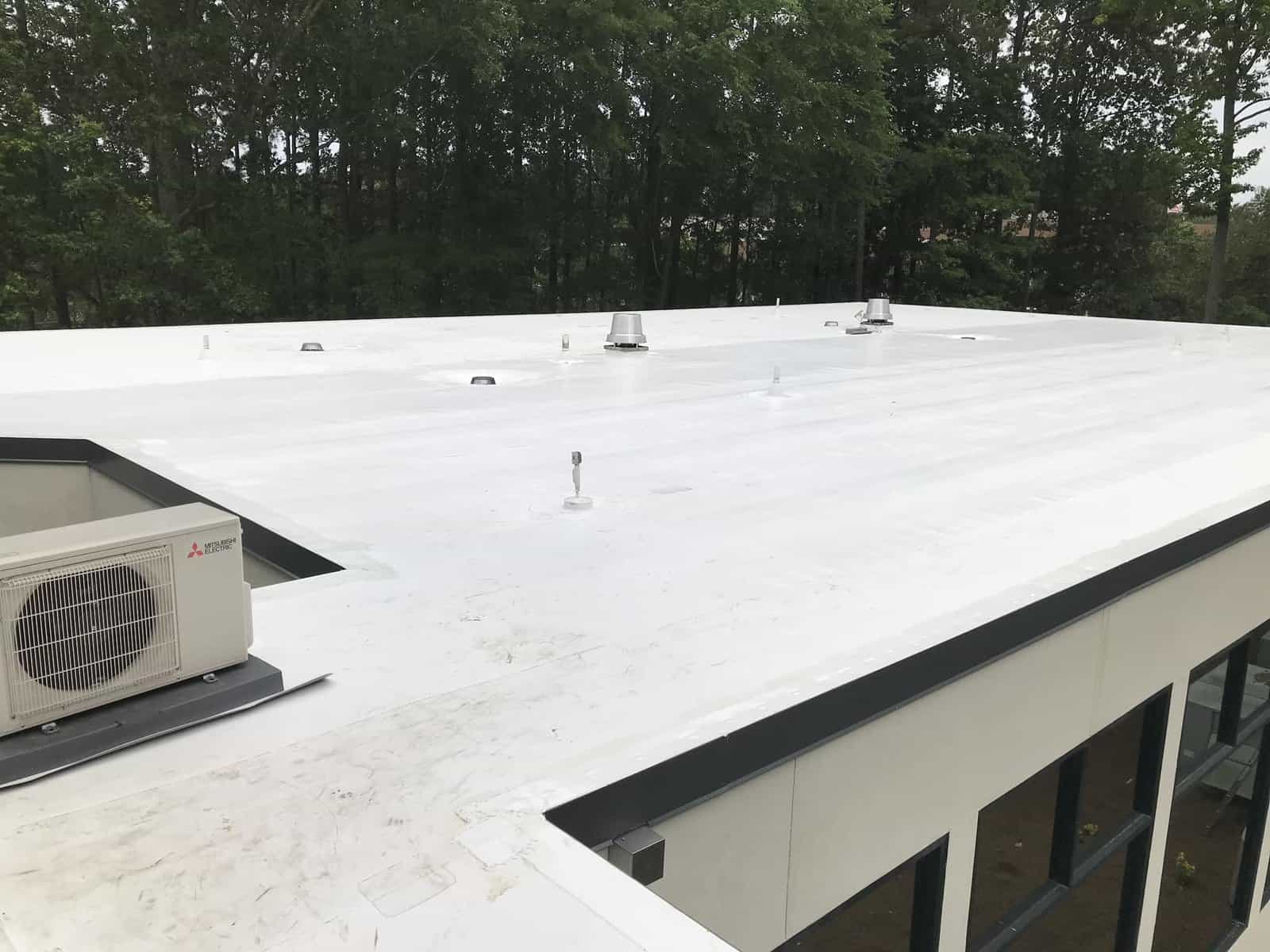
Commercial Roof Inspections
Scheduled and pre-storm roof inspections for Orlando commercial buildings, with a written condition report by zone.
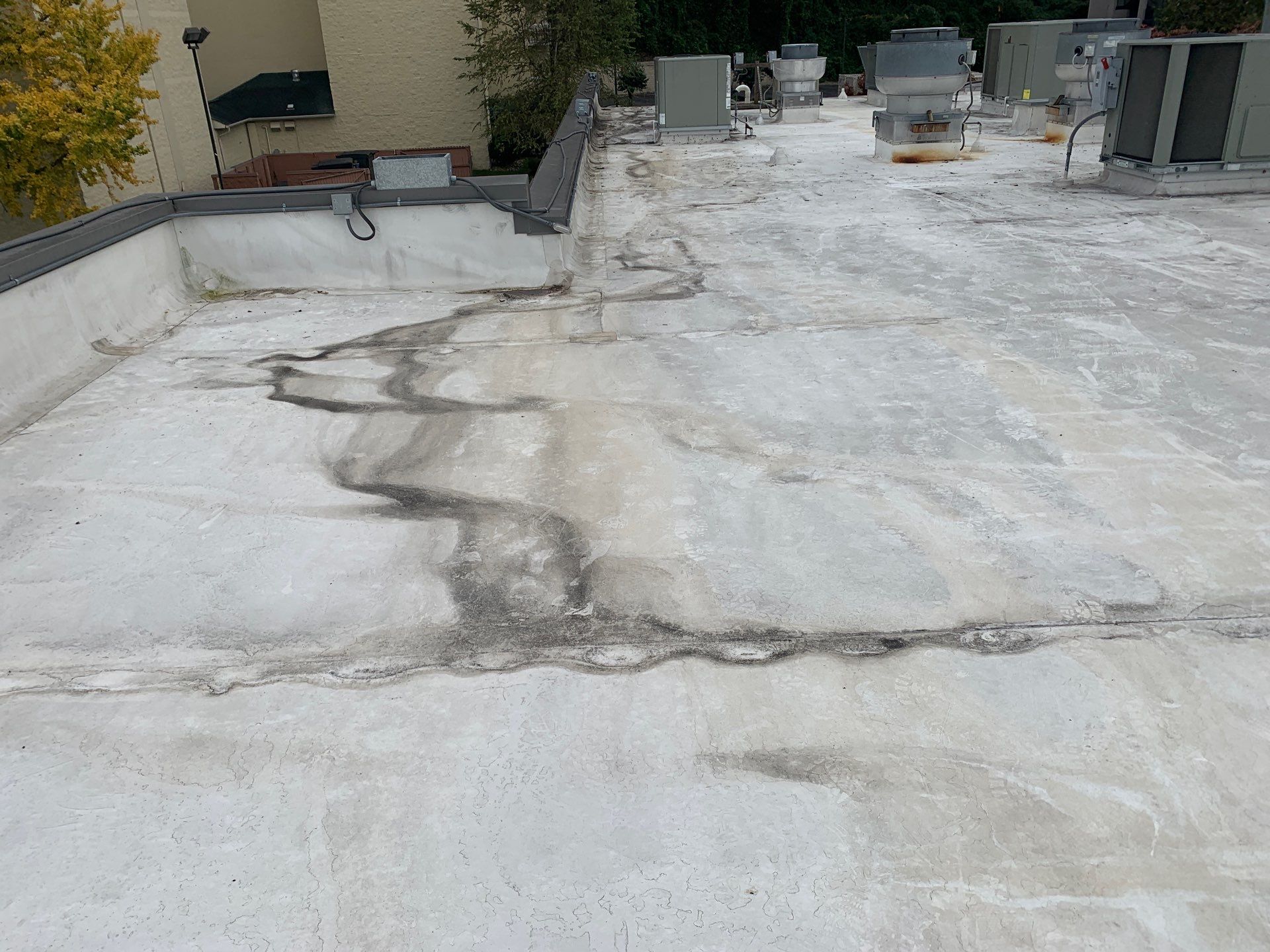
Hurricane Damage Roof Insurance Claims
Named-storm documentation and claim support for Orlando roofs after a hurricane crosses the I-4 corridor.
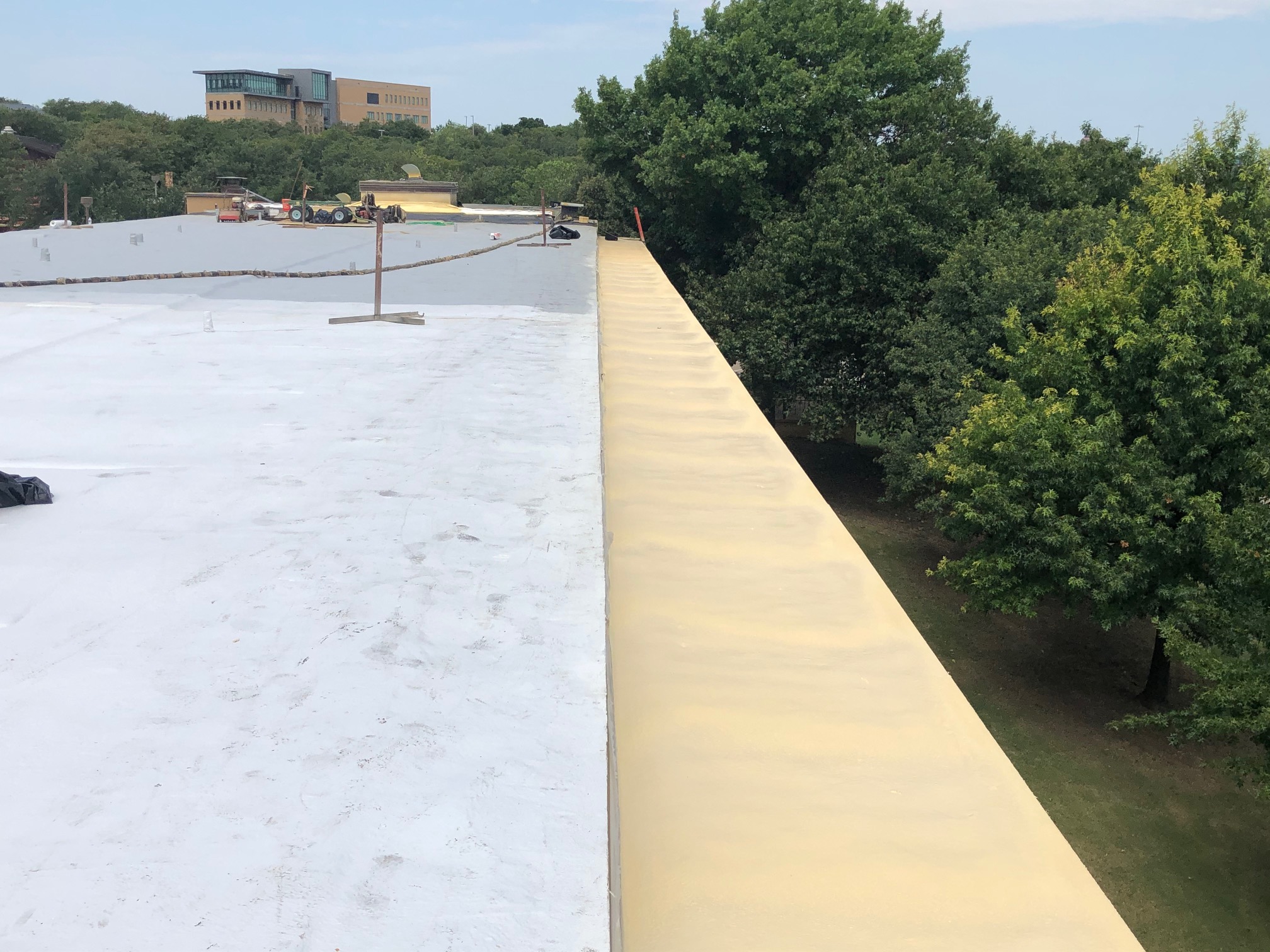
Wind & Storm Damage Roof Insurance Claims
Documentation for the convective thunderstorm wind and lightning damage that hits Orlando roofs outside of named storms.