
Wind & Storm Damage Roof Insurance Claims
What Central Florida's Lightning Capital Status Means for Roofs
Central Florida — and Orlando specifically — sees more lightning strikes per square mile than almost anywhere else in the country, a byproduct of the daily collision between Gulf and Atlantic sea breezes over the peninsula through the summer months. That same convective pattern that produces the lightning also produces fast-forming thunderstorm cells with straight-line wind gusts that can hit 50-60 mph with little advance warning — no named-storm alert, no multi-day forecast track, just an afternoon cell that builds over the metro and moves through in under an hour. These non-named wind events are a routine part of an Orlando commercial roof's exposure, and they cause real, claimable damage even though they never get a name or a hurricane-deductible trigger.
Why Non-Named Wind Claims Get Scrutinized Differently
A named storm gives an adjuster a built-in causation baseline — the storm existed, it was tracked, its wind speeds at your location are on record. A Tuesday-afternoon thunderstorm doesn't come with that same paper trail. That means the burden of proving cause sits more heavily on the documentation for these events. We build that case with what's available: NWS Local Storm Reports and Storm Prediction Center severe-weather logs for the date and area when they exist, plus physical evidence at the building itself — debris patterns, consistent directional damage across multiple roof sections, impact markers, and the condition of loose rooftop equipment or gravel ballast that shifted under load. Damage that shows a consistent wind-direction signature across the roof is far more defensible than an isolated soft spot that could be attributed to almost anything.
Where Wind Damage Shows Up First
On Orlando's commercial flat roofs, straight-line wind damage concentrates at the same failure points regardless of whether the event is named or not: perimeter and corner zones where Florida Building Code design pressures are highest, parapet cap flashing, and HVAC curb flashing. Rooftop-heavy properties along I-Drive and the hospitality corridor carry more penetrations and more equipment that can shift or loosen under gust loading, which means more potential entry points. Newer single-ply roofs in the Lake Nona and downtown submarkets are generally better attached to current wind-uplift standards, but seam stress and fastener back-out at ridge and edge zones still shows up after a hard enough gust event.
A Brief Note on Hail
Hail is uncommon in Orlando compared to the thunderstorm-belt states further north, but it isn't impossible — the same severe convective cells that produce damaging wind gusts occasionally drop small hail with them, particularly during spring severe-weather setups. When hail accompanies a wind event, we document it the same way we document wind: impact density and pattern across the membrane, correlated with any available radar or storm-report data for the date, since isolated hail damage on a Florida roof needs that physical evidence more than a northern-state roof would.
Building the Claim Without a Named-Storm Trigger
Because these events don't come with the built-in causation record a hurricane does, our documentation leans harder on the roof-level evidence: the photo-keyed damage log, the zone diagram showing where the damage concentrates, measurements of affected area, and a written narrative connecting the physical evidence to a specific date and weather event. That's the file that gives your adjuster something concrete to work from on a claim that doesn't have a storm name attached to it.
A note on our role: we're your roofing contractor, not a public adjuster. We inspect the roof, document the damage, and produce a scope your adjuster can verify against — we don't file claims, negotiate settlements, or represent you in a dispute.
Service
Frequently asked questions
Does my insurance cover damage from a thunderstorm that wasn't a named storm?
Most commercial property policies cover wind damage regardless of whether the storm was named — the named-storm designation mainly affects which deductible applies, not whether coverage exists. Non-named wind claims are evaluated under your standard all-other-perils deductible, but they typically require stronger physical documentation since there's no official storm track to point to.
How do you prove a roof was damaged by wind if there was no named storm?
We document the physical evidence: consistent wind-direction damage patterns across multiple roof zones, debris and impact markers, displaced rooftop equipment or ballast, and separated flashing at the typical failure points. Where available, we cross-reference NWS Local Storm Reports or Storm Prediction Center data for the date and area to support the timeline.
Does Orlando get hail damage?
It's uncommon compared to states further north but not impossible — severe thunderstorm cells occasionally produce small hail, most often in spring. When hail is part of an event, we document impact density and pattern the same way we document wind damage.
How fast do these thunderstorm wind events typically hit?
Central Florida's convective storms can build and move through in under an hour, often in the afternoon with little advance warning. That speed is part of why after-the-fact roof inspection matters — there's rarely a forecast window to prepare, so the first sign of trouble is often water intrusion after the storm has already passed.
What roof conditions make wind damage worse on Orlando buildings?
Rooftop equipment density is a big factor — properties with heavy HVAC and mechanical loads, common on older hotel and attraction-corridor buildings, have more penetrations and curb flashings that can work loose under repeated gust loading. Membrane age and attachment method also matter; older built-up and modified-bitumen systems generally show wind stress at the perimeter sooner than newer, code-current single-ply installations.
Keep comparing the scope.
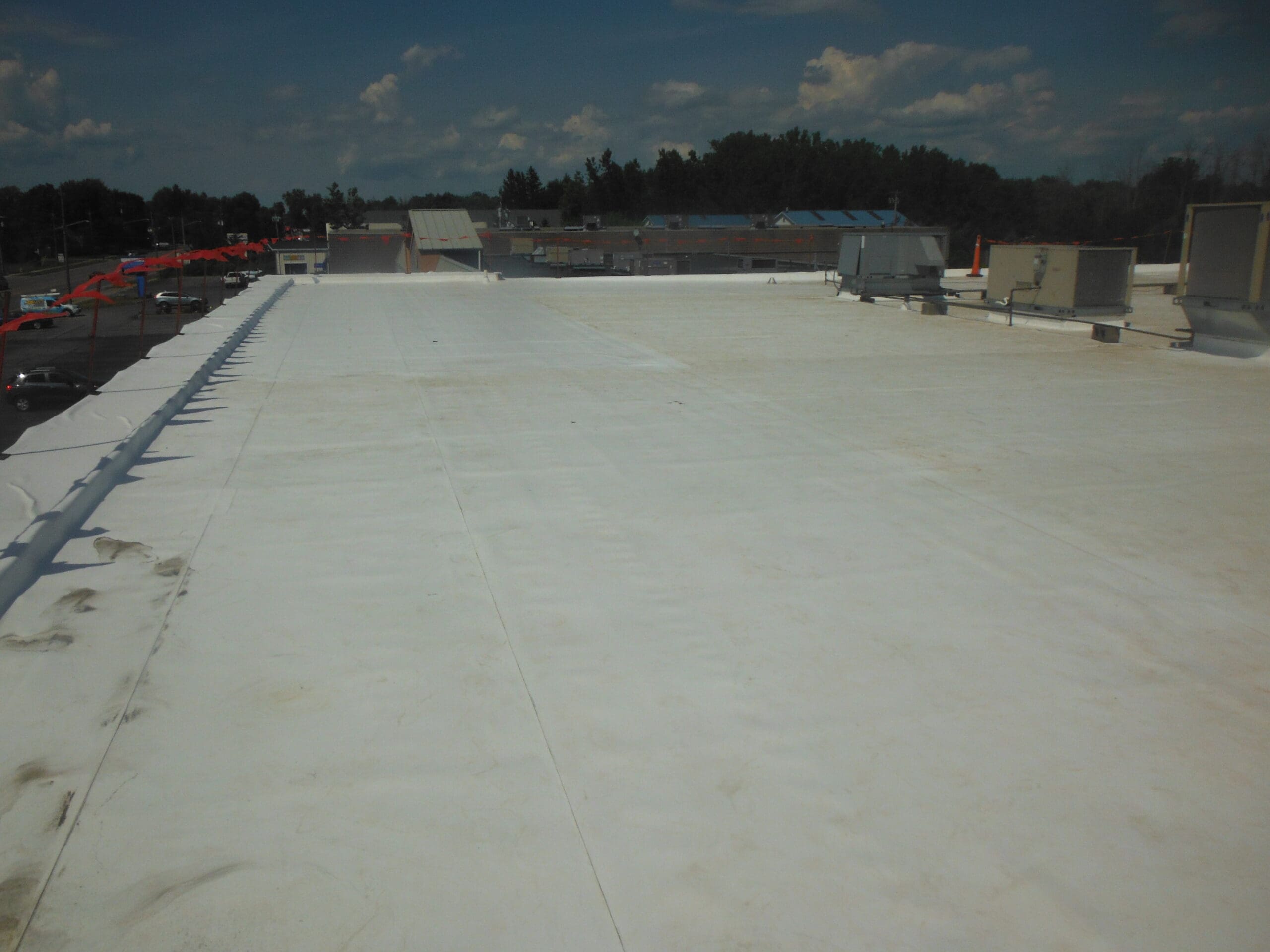
Commercial Roof Insurance Claim Assistance
Damage documentation, adjuster walk-throughs, and complete repair scopes for Orlando commercial roof insurance claims.
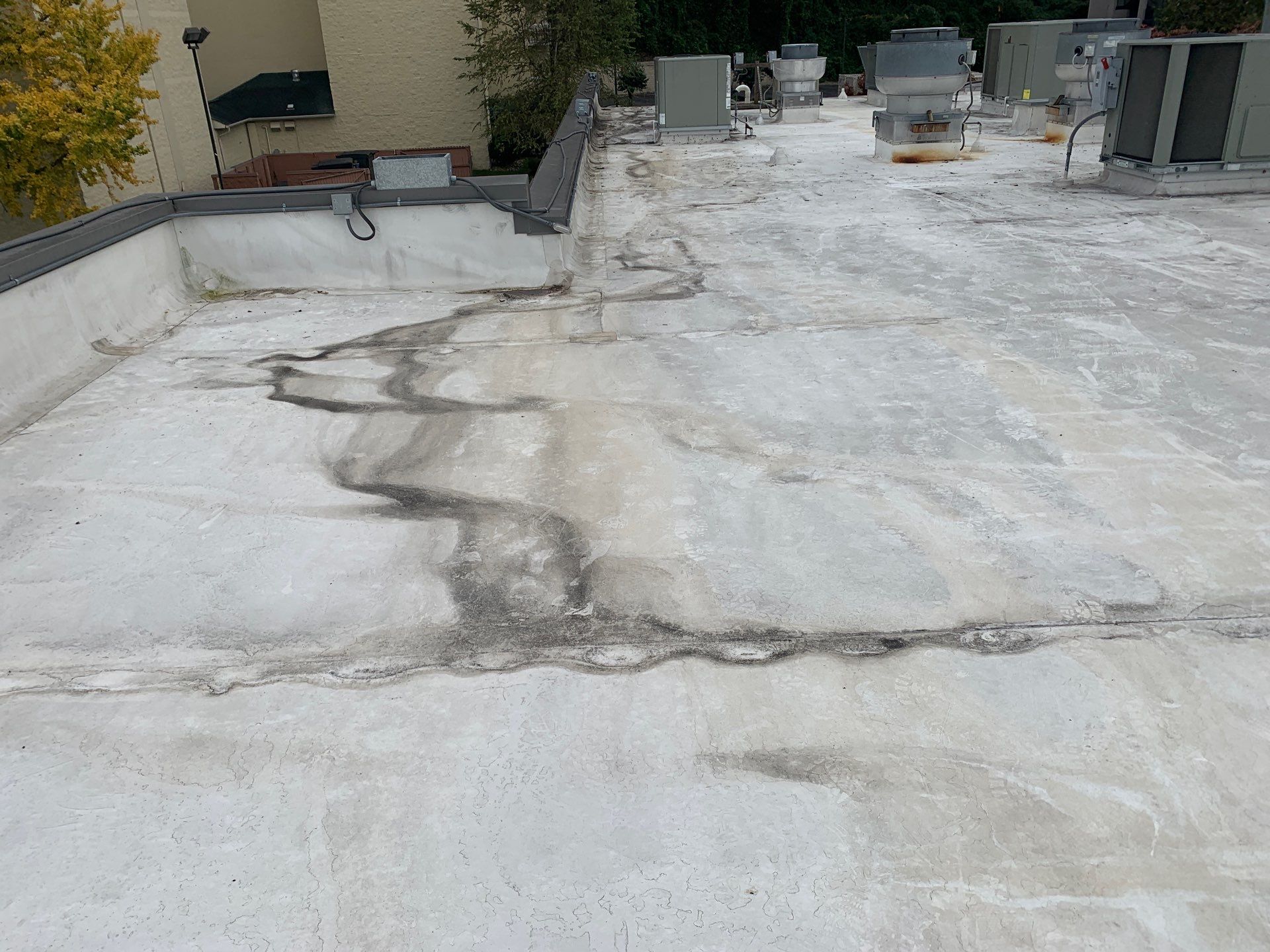
Hurricane Damage Roof Insurance Claims
Named-storm documentation and claim support for Orlando roofs after a hurricane crosses the I-4 corridor.
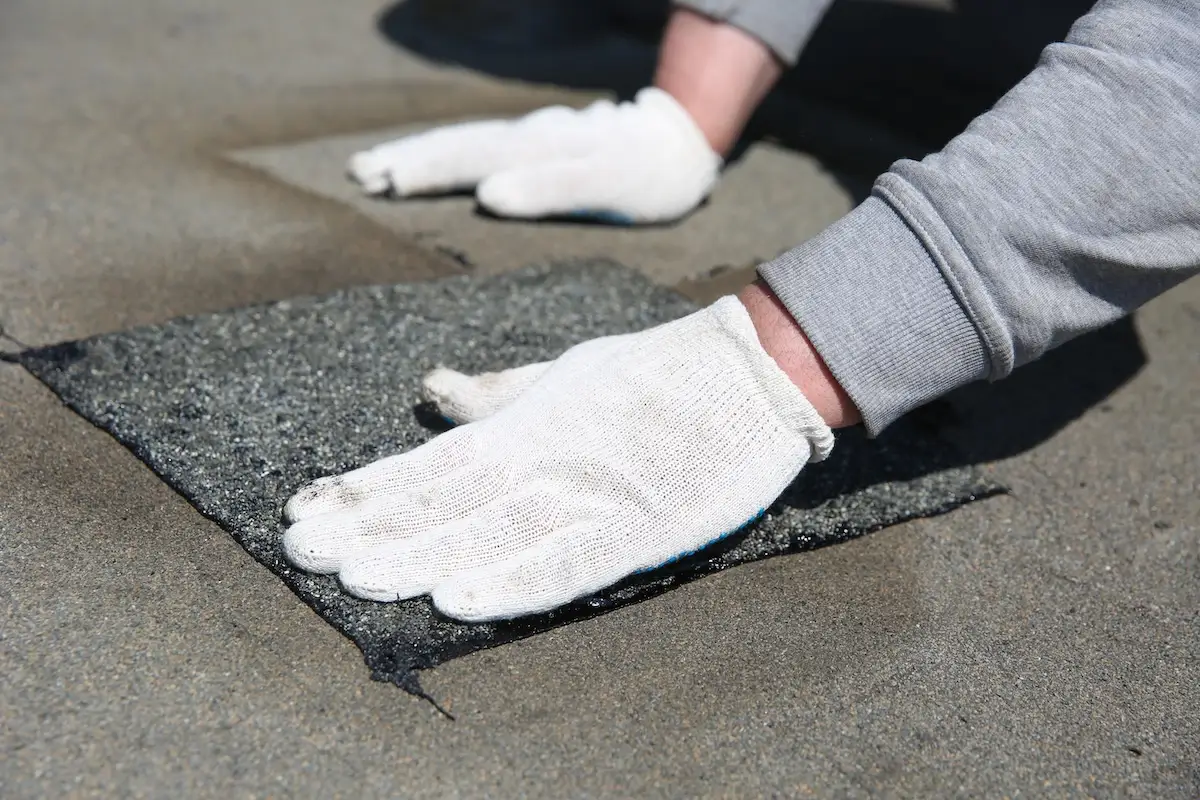
Commercial Roof Leak Repair
Commercial flat roof leak diagnosis and repair for Orlando buildings — find the source and scope the fix.